1. Smart and Connected Apparel
The integration of smart sensors and AI is creating apparel that tracks biometric data, monitors UV exposure, and adjusts to environmental conditions. Outdoor enthusiasts increasingly seek gear that combines advanced functionality with ease of use, making innovation a critical differentiator.
2. Inclusivity and Customization
Inclusivity in sizing and customization options have become essential. Outdoor brands are expanding their offerings to cater to diverse body types and personal preferences. From adjustable fits to personalized embroidery, consumers value gear that feels tailored to their unique needs and identities.
3. Sustainability and Ethical Practices
Ethical labor practices, fair trade, and responsible sourcing are becoming standard expectations. Companies that align with these values not only attract conscientious shoppers but also set themselves apart in a crowded market. Sustainability is increasingly a focal point for startups in the outdoor gear market, with many adopting eco-friendly practices such as using recycled materials and implementing sustainable manufacturing processes.
4. Performance-Driven Innovation
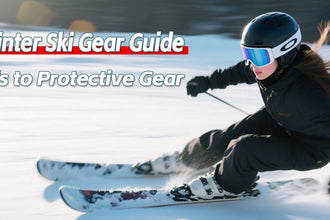
Outdoor apparel incorporating advanced materials science is setting new benchmarks for comfort and protection. Cutting-edge features like moisture-wicking fabrics, UV protection, and temperature regulation are now standard. Forward-thinking brands are adopting dynamic technologies, such as phase-change polymers and breathable insulation, to deliver unmatched performance in any condition.
5. Outdoor Lifestyle Influencers and Social Commerce
Influencers and platforms like TikTok are becoming essential for product discovery and consumer engagement. Brands are collaborating with creators who showcase real-life outdoor adventures, fostering authentic connections that drive visibility and sales.
6. Rental and Secondhand Markets
The rental and resale market for outdoor gear is surging, fueled by the sharing economy. Sustainability-minded consumers are gravitating toward rental services and pre-loved gear to minimize waste and cost. Outdoor brands are tapping into this trend by offering refurbished items and partnering with rental platforms, fostering a circular economy that appeals to eco-conscious adventurers.
7. Health and Wellness Connection
Outdoor activities have become synonymous with mental and physical well-being. This growing focus on health has spurred demand for apparel designed to enhance comfort and performance during outdoor pursuits. Whether it's hiking, kayaking, or trail running, people are investing in gear that supports their active lifestyles and aligns with their wellness goals.
Conclusion
As the outdoor gear market evolves, brands must balance innovation with authenticity. By embracing these trends, companies can build deeper connections with their consumers while staying ahead of the competition. This is an industry not just of products but of experiences, values, and stories that resonate deeply with adventurers around the world.